What Lies Ahead for TV Repairs: Key Trends and Innovations Shaping the Industry
The future of TV repairs is evolving, driven by artificial intelligence and smart innovations. Repair professionals must tackle developing advanced competencies as modern televisions grow more sophisticated. Simultaneously, do-it-yourself approaches are rising in popularity, supported by mobile apps and community forums. Sustainable practices are also on the rise, advancing sustainable maintenance solutions. As this evolution continues, we should reflect on how they will redefine service standards and customer expectations in the years ahead.
How Smart Technology is Transforming TV Repairs
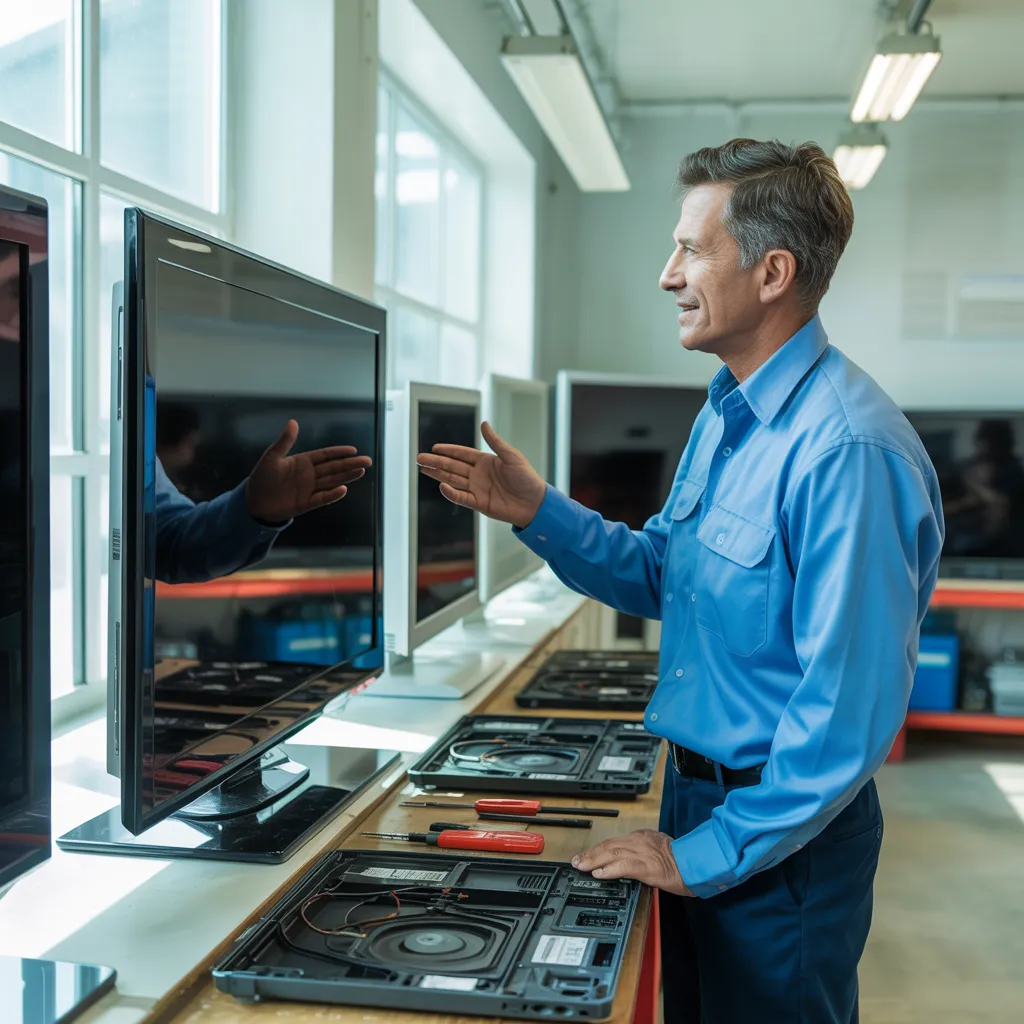
With smart technology continuing to progress, its influence on TV repairs has become increasingly significant. Today's televisions, outfitted with cutting-edge features and connectivity solutions, have reshaped the repair services landscape. Technicians now encounter a variety of smart functionalities, such as streaming functions, built-in applications, and network connections, all requiring specialized expertise for thorough diagnostics and effective repairs.
Furthermore, intelligent technology allows remote problem-solving, enabling technicians to diagnose issues without a physical visit. This effectively decreases repair times while simultaneously improving customer satisfaction. Nonetheless, the intricacy of smart TVs creates difficulties; technicians must persistently develop their capabilities to keep pace with rapid advancements.
Moreover, the abundance of web-based resources and discussion forums facilitates knowledge sharing among professionals, encouraging a community-driven environment for resolving intricate repair problems. Consequently, smart technology is revolutionizing the TV servicing industry, stressing the demand for flexibility and specialized knowledge in an ever-evolving landscape.
The Impact of Artificial Intelligence on TV Diagnostics
Artificial intelligence is revolutionizing TV diagnostics by enhancing the precision of fault detection. Through advanced algorithms, AI can analyze performance data and identify issues more reliably than traditional methods. Furthermore, AI-powered predictive maintenance solutions can forecast potential failures, reducing downtime and repair expenses.
Advanced Diagnostic Accuracy
While traditional diagnostic methods often rely on technician experience, the incorporation of artificial intelligence has substantially advanced the precision and effectiveness of TV diagnostics. AI algorithms can analyze vast amounts of data from customer feedback, service records, and component performance patterns, enabling precise identification of faults. By employing machine learning techniques, these systems consistently enhance their diagnostic performance, adjusting to emerging models and evolving technologies. This progression minimizes the time needed for diagnostics and lowers the potential for technician errors. Additionally, AI-powered diagnostic tools can offer technicians practical recommendations, optimizing the repair workflow. As a result, clients experience expedited and more consistent service, dramatically reshaping the approach to TV repairs in an ever-evolving and complex technological environment.
Advanced Predictive Maintenance Solutions
Utilizing the capabilities of artificial intelligence, predictive maintenance solutions are revolutionizing TV diagnostics. These advanced systems process historical performance data and real-time usage patterns to predict potential failures before they happen. By applying machine learning algorithms, they identify anomalies that could suggest underlying issues, enabling technicians to tackle problems in advance. This transition from reactive to predictive maintenance minimizes downtime and lowers repair costs. Moreover, AI-driven diagnostics enhance customer satisfaction by delivering a seamless viewing experience. As the industry moves forward to embrace these innovations, the integration of predictive maintenance will probably become standard practice, dramatically reshaping the landscape of TV repairs and maintenance, while maximizing the lifespan of devices.
Do-It-Yourself Solutions: Tools and Apps for Television Repairs
More and more people are embracing do-it-yourself TV repair methods, due to the widespread availability of dedicated repair tools and smartphone apps. These developments allow people to tackle common issues without professional assistance. Tools like multimeters and soldering kits have grown increasingly accessible, allowing enthusiasts to identify issues with greater accuracy. Smartphone applications provide tutorial videos, detailed instructions, and diagnostic checklists, transforming the repair experience into a more approachable endeavor.
Community forums and social media groups significantly improve the DIY experience, permitting members to share knowledge and answers. Given the growing popularity of augmented reality technology, individuals can preview repairs as they happen, improving accuracy and confidence. This transition to independent repairs not only saves money but also fosters a sense of accomplishment. As innovation keeps progressing, the landscape of TV repairs is increasingly influenced by the DIY movement, suggesting a transformative shift in consumer behavior.
How Effective Are DIY Solutions for TV Repairs?
How effective are DIY solutions for TV repairs? The success of DIY solutions differs significantly, depending on the type of issue and the individual's technical skill. Many common problems, such as minor screen glitches or connectivity issues, may regularly be addressed with fundamental tools and web-based resources. Individuals armed with proper expertise and equipment may effectively resolve problems, perhaps cutting down on maintenance charges.
That said, greater challenges, including, internal hardware failures or intricate software malfunctions, may pose challenges that exceed the ordinary DIYer's abilities. Under these circumstances, incorrect repair attempts may result in further damage, leading to higher repair costs or the need for entire replacement. Furthermore, the warranty validity of a television might be invalidated by unsanctioned repair work. At the end of the day, while DIY solutions may prove successful for certain situations, caution and a clear understanding of one's own capabilities are essential for successful outcomes.
Going Green: Environmentally Friendly TV Repair Solutions
Embracing environmentally friendly repair solutions for televisions has grown considerably as consumers become more environmentally conscious. Repair shops are increasingly embracing sustainable practices, such as employing environmentally safe materials and non-toxic solvents, which decrease hazardous byproducts. A growing number of professionals now focus on refurbishing components instead of swapping out whole devices, increasing the longevity of televisions and reducing e-waste.
Furthermore, certain companies have established return programs, giving consumers to return used televisions for responsible get started recycling. This not only prevents landfill buildup but also confirms that useful materials are recovered and reused. Consequently, the industry witnesses a surge in partnerships between service centers and recycling plants, supporting a resource-efficient economy.
Furthermore, producers are starting to engineer TVs with more straightforward disassembly in mind, enhancing repairability and reducing environmental impact. These shifts signify a combined movement towards greener practices, aligning the industry with broader sustainability goals while addressing the needs of the environmentally aware consumer.
DIY versus Professional Repairs: Which Choice Is Best for You?
The increasing interest of sustainable repair alternatives has caused many individuals to evaluate the optimal strategy for fixing their televisions. The decision regarding professional services and DIY repairs often depends on personal expertise, self-assurance, and the complexity of the problem. DIY repairs can be appealing for those with technical prowess, as they offer cost savings and a sense of accomplishment. Despite these benefits, there are inherent risks involved, such as potential damage to the device or personal injury.
Conversely, professional repairs provide expertise and are typically backed by warranties, guaranteeing that the TV is managed properly and securely. This choice is especially recommended for intricate problems or premium models. Ultimately, the decision copyrights on balancing personal capability with the potential risks and rewards. Customers should assess their familiarity with technology and reflect on the lasting consequences when choosing between self-repairs and professional services.
The Future of TV Repairs? Upcoming Trends and Innovations
As technology keeps advancing, the future of TV repairs is poised to experience significant transformations driven by innovations in smart technology and eco-conscious practices. Cutting-edge breakthroughs are anticipated to center around modular designs, permitting customers to exchange separate components rather than complete units, thereby prolonging the lifecycle of devices. Additionally, augmented reality (AR) tools may empower specialists to assess faults without being on-site, supporting more efficient and reliable repair outcomes.
The integration of artificial intelligence (AI) in troubleshooting processes may simplify repairs by evaluating issues and recommending fixes grounded in historical data. Furthermore, a growing focus on environmentally conscious practices may prompt repair companies to embrace sustainable materials and recycling programs.
As the industry evolves, customers can anticipate better service options and improved accessibility to repair resources, ultimately reshaping how repairs are approached in this fast-evolving technological landscape.
Frequently Asked Questions
How Much Does a Typical TV Repair Cost?
A standard TV repair cost spans from $50 to $300, based on the type of television and the specific issue at hand. Labor and parts greatly influence the overall expense, shaping the total repair expenditure.
What Frequent Issues Can Be Addressed in Older Television Models?
Typical complications in outdated TV units include power failures, screen flickering, audio malfunctions, and connectivity issues. Skilled technicians commonly tackle these problems by replacing capacitors, fixing circuit boards, or updating internal components to ensure the television operates reliably once again.
What Is the Typical Duration of a Standard TV Repair?
Standard TV repairs generally take between one to three hours, based on the complexity of the issue and the availability of parts. More intricate problems may require additional time, especially if specialized components need to be ordered.
Is It Worth Repairing a Broken TV?
Figuring out whether to repair a malfunctioning TV often depends on weighing the expense of repair against buying a new unit. As a rule of thumb, if repair expenses surpass half the cost of a new model, replacing the unit may be the wiser decision.
What Warranties Are Available for TV Repairs?
Various warranties for TV repairs can be found, including manufacturer warranties, long-term service agreements, and coverage from third-party providers. These coverage plans typically vary in duration and scope, providing customers coverage for faults and service charges for their TV sets.